The Nest
The Proposal
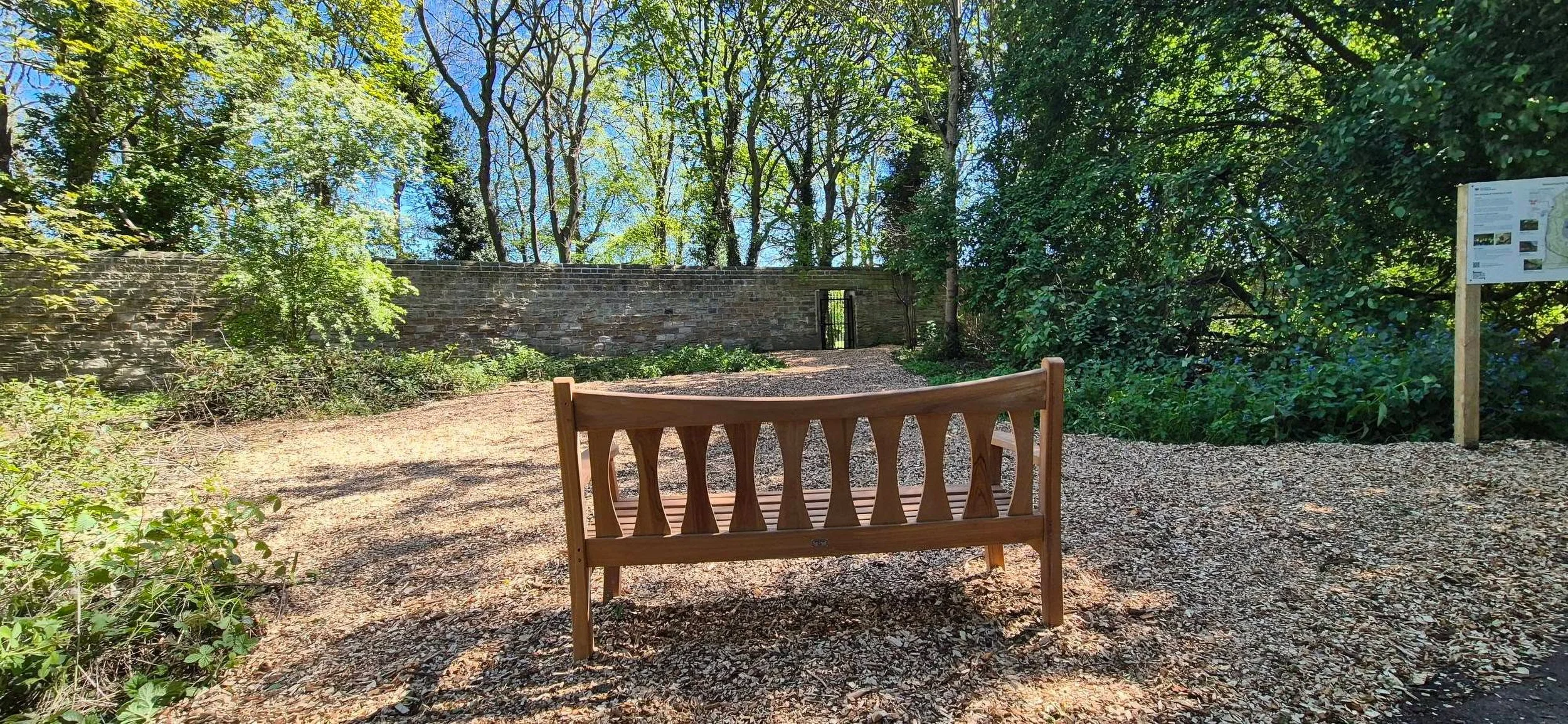
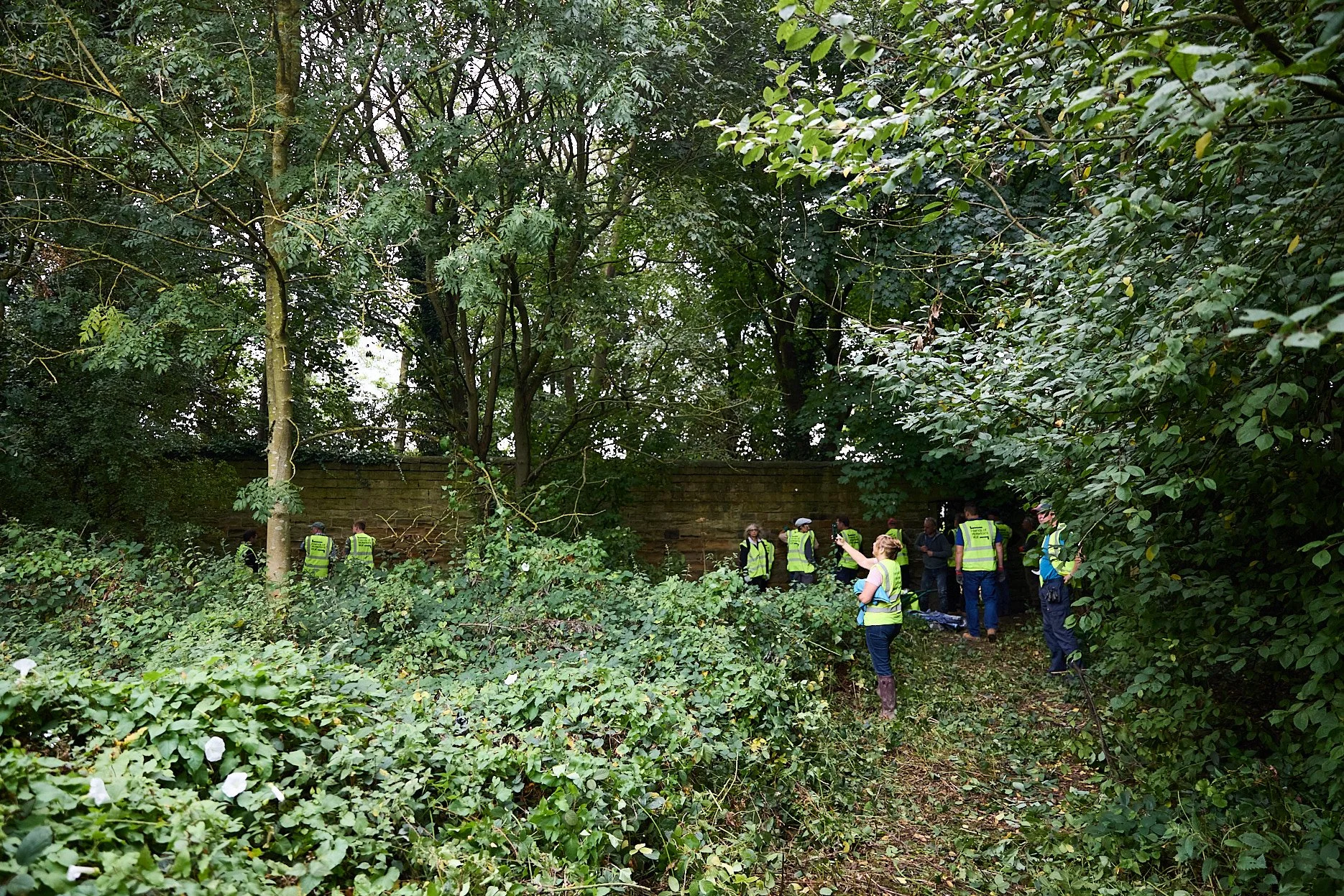
To celebrate Wall Fest 26, The Friends of Waterton’s Wall are creating a visitor and performance area next to the wall under restoration. The space will share the wall’s history and serve as a venue for performances and meetings.
The History
Charles Waterton (1782-1865) was an extraordinary figure, often considered the world’s first environmentalist. His belief in protecting the natural wordl contrasted sharply with an era that saw wildlife persecution as necessary. He opposed killing birds of prey, insisting on the importance of nature’s balance.
His convictions were shaped by time spent in the Guinan jungle, where he witnessed the harmony of an untouched environment. This deepend his commitment to preserving nature.
Returning to his estate at Walton Hall in Yorkshire. Waterton was alarmed by poaching and the abundance of foxes. Determined to protect wildfowl, he created a nature reserveand enclosed his parkland with a wall. Whenever he could spare 500 guineas, he bougt stone and hired masons, resulting in the varied quaility still visible today.
Taking over four years to build, the three-mile wall enclosed hundreds of acres, including signifcant lakes and pleasure grounds. Costing about £10,000 - a large sum for the period -Waterton a teetotaller, famously said it was “Paid for by the wine i do not drink”
Why 'The Nest'?
Charles Waterton was a devoted observer of nests, documenting species at Walton Hall and abroad. He pioneered artificial habitats, building specialized starling towers, owl houses, and sand martin embankments to encourage birds to settle. His journals capture precise records, such as forty-three heron nests counted in 1861 and a thrush nest found in a ground hole. Waterton frequently noted unusual nesting behaviours, including a wild duck residing in ruined ivy and ring doves utilizing deep tree holes. He even experimentally swapped eggs, forcing a carrion crow to hatch rook eggs.
Click here to view the gallery